
Content Strategy & Psychology: How Top 1% Creators Plan Videos That Convert
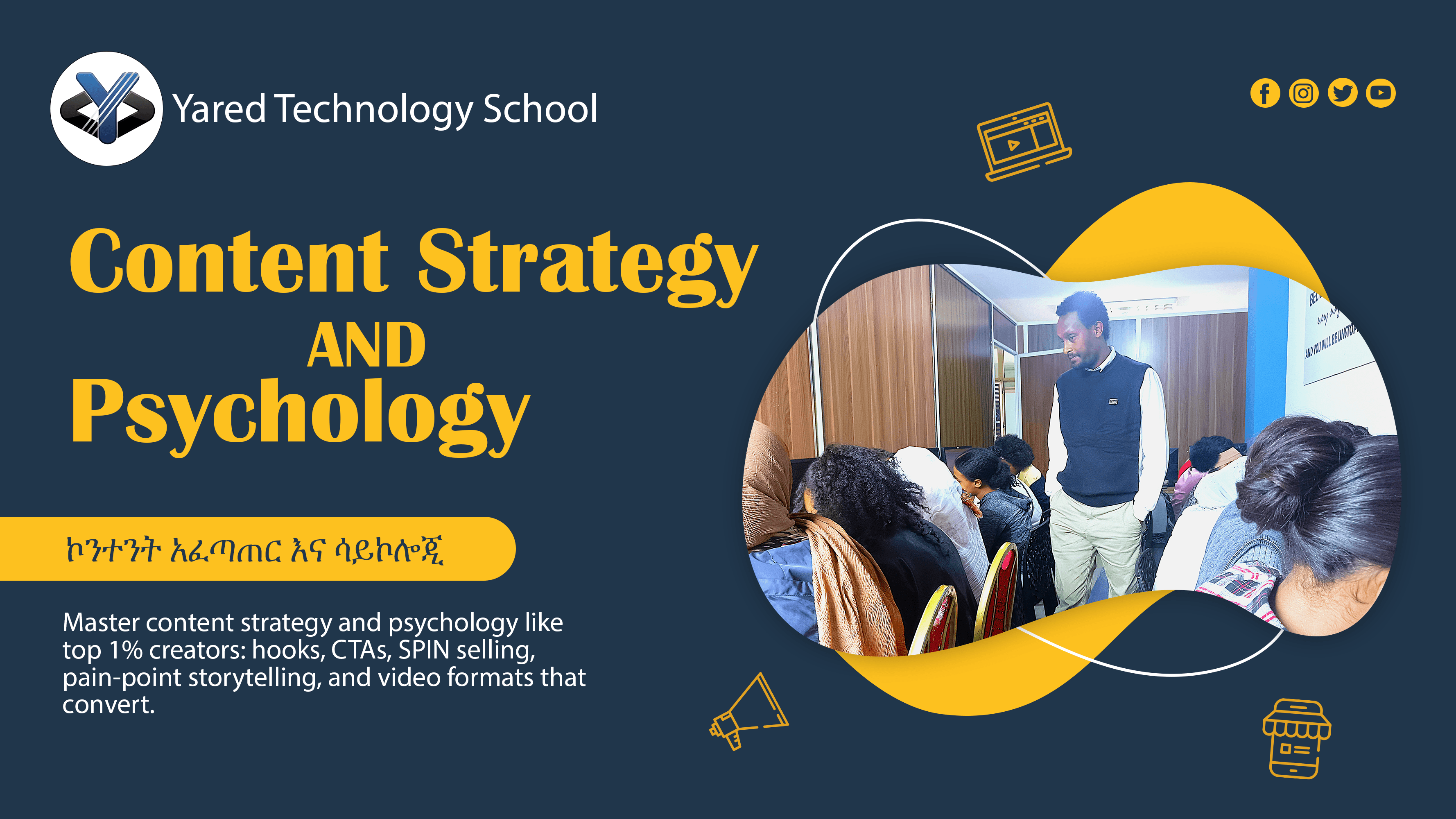
Discover how elite content creators structure their videos = from scrollstopping hooks to high impact CTAs = while leveraging marketing psychology (painpoints, SPIN selling, emotional triggers) to boost engagement and conversion.
Why Content Strategy and Psychology Are Essential
In today’s attention economy, simply posting videos is not enough. You must structure your content so that it resonates on a psychological level. Research shows that video content gets far more engagement than image or text only posts. For example: video content gets shared 1,200% more times than text & image combined. When you unify content strategy (what you will post + how) with psychology (why people respond + how they act) you create videos that don’t just entertain => they convert.
Video Content Strategy for All Social Media Platforms
Regardless of niche, platform or audience, the best creators apply a layered strategy: Hook → Value → CTA. Below are three tiers: common, intermediate, and advanced => so YOU can pick your own skill level and grow upward.
01.Common Strategies (Beginner Level)
Foundational techniques every creator should master first:
- Hook within the first 0-3 seconds to stop the scroll.
- Single clear message: one idea = higher retention.
- Mobile first format: vertical (9:16), captions, readable overlays (most views on mobile).
- End with a simple CTA: “Like / follow / link in bio”.
- Consistent posting schedule: build audience expectations.
02.Intermediate Strategies (Top 10% Creators Use)
More refined tactics that elevate your content:
- Story driven structure: Problem → Process → Solution.
- Mid video hooks and micro CTAs: ask for comment or save during the video, not just at the end.
- Adaptation for each platform: short reels (15 to 30s) vs YouTube long form (5 to 10+ min).
- Visual pacing: cut every ~3 to 5 seconds to maintain engagement.
- Use action words in CTAs (“Click”, “Try”, “Download”) which improve conversion.
- Data backed posting: analyze when your audience is most active.
03.Advanced / “Top 1% Secret” Strategies
These are strategies used by the elite creators and agencies : they require discipline, data, and experimentation.
- Pattern interruption: start with unexpected action or scene to surprise the viewer.
- Looping technique: end video in a way that leads back to the beginning to increase re-watches.
- AI & analytics: use tools for optimizing titles, thumbnails, tags, and refining scripts.
- Audience funnels: create series of videos (Part 1, Part 2) to build retention, subscriptions, or leads.
- Hooks types:
- Curiosity (“I made $2,000 using one weird app”),
- Shock (“This $19 gadget beat $300 competitors”),
- Value First (“3 steps to cut editing time in half”).
- Multi format reuse: same idea across TikTok, YouTube, Instagram with slight tweaks.
- Visual + audio CTA mix: studies show combining verbal and visual CTAs increases conversions up to ~80%.
User Psychology in Content Creation
Great creators don’t just know how to make videos => they understand why viewers behave the way they do. Here are psychological frameworks and how to apply them in video planning.
01.Identifying Pain Points
Pain points are motivations rooted in emotion: fear, frustration, desire. If your content addresses these, it will resonate and motivate action.
- Listen to comments or DMs to find what viewers complain about (time, cost, lack of knowledge).
- Use empathy in your hook: “Tired of posting videos that get 10 views?”
- Match medium and message: short video for urgent frustration, longer video for deeper explanation.
02.SPIN Selling Framework for Content
Originally developed for sales, the SPIN method (Situation → Problem → Implication → Need-Payoff) guides viewers from awareness to action.
- Situation: “You’re creating videos but no one watches them.”
- Problem: “You don’t know how to build hooks that stop the scroll.”
- Implication: “If you keep doing this, your channel won’t grow and you’ll waste time.”
- Need-Payoff: “Here are 3 proven hook formulas that increase retention by 30%.”
- Example outline using SPIN:
- Hook (Situation) → Body (Problem + Implication) → CTA (Need-Payoff) → Link.
03.Emotional Triggers & Behavioral Biases
Use triggers like FOMO, curiosity, authority, social proof, reciprocity to shape your content and CTAs. These psychological cues make your message more persuasive and align with strategic video design.
- FOMO: “Last chance to join this live.”
- Curiosity: “You won’t believe what happened when I changed one line in my hook.”
- Authority: “Used by top creators with 1M+ followers.”
- Social proof: “Over 5,000 students already used this method.”
- Reciprocity: “Here’s a free template + no strings attached.”
Practical Framework: From Idea to Recording
Let’s put it all together => strategy + psychology => so you can go from idea to finished video ready for upload.
01.Steps:
- Idea: Pick a concrete topic. Example: “Why your first 100 followers won’t stick unless you use this hook.”
- Psychology: Identify the pain point (you keep posting but your followers leave). Use SPIN to structure.
- Script Outline:
- Hook (up to 3 seconds): “Most creators lose followers even after getting 1,000; here’s why.”
- Value (next 10 to 40 seconds): Explain 3 mistakes they make, show quick clip examples.
- CTA (last 5 to10 seconds): “Save this video and try hook #2 tomorrow; tag me with your result.”
- Film & Edit: Use vertical format, readable overlays, mobile-first design, change scene every few seconds.
- Optimize & Upload: Use SEO optimized title, description, tags. Example: “Video Strategy 2025; Top 1% Creator Formulas”.
- Measure & Iterate: Watch retention graphs, click-throughs, comments. When hooks fail, test new variation. Creators focus on their opening line (audio hook) but ignore the other 2 hooks that actually stop people from scrolling.”
- Repurpose: Short version for Reels/TikTok, long version for YouTube; cross-link them.
Subscribe to our newsletter
Get the latest tech news and course updates delivered to your inbox.